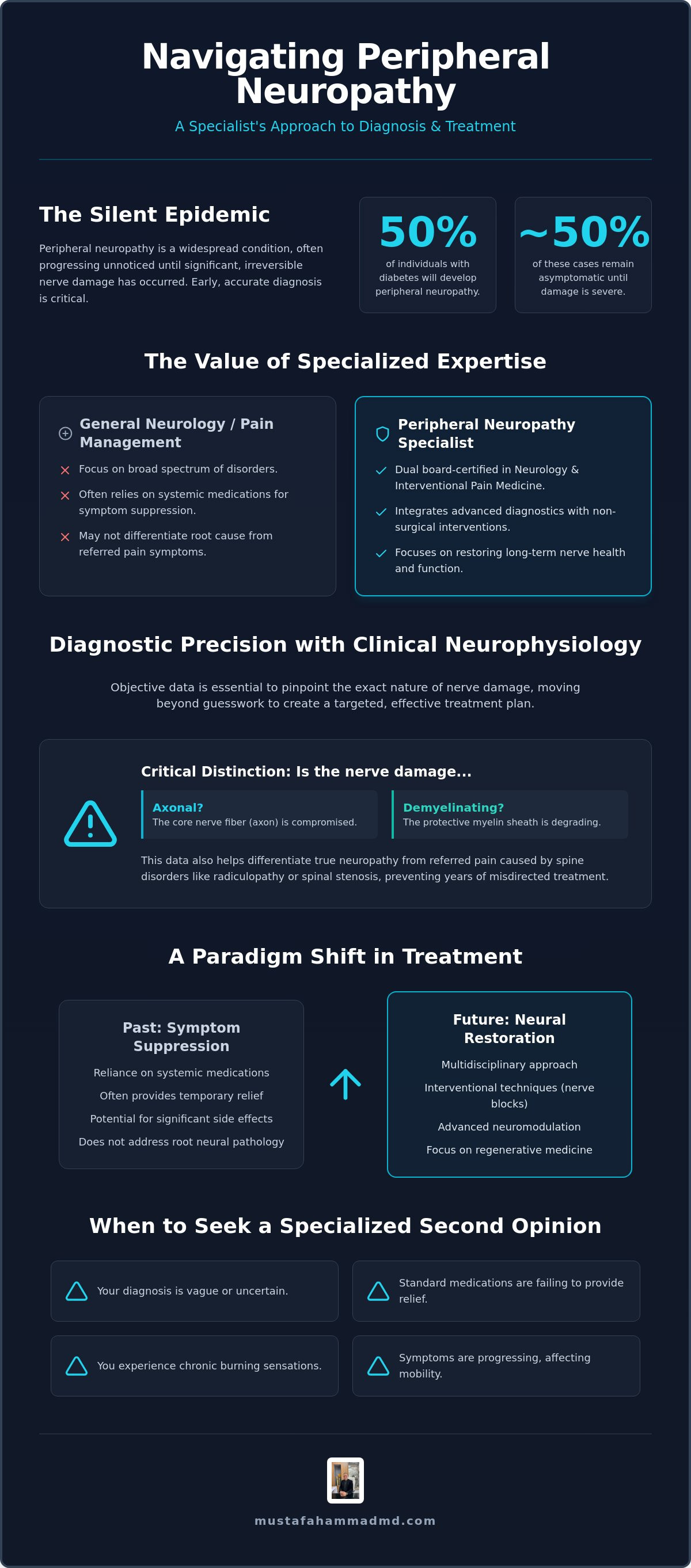
Did you know that up to 50% of individuals with diabetes will develop peripheral neuropathy, yet nearly half of these cases remain asymptomatic until significant, irreversible nerve damage has already occurred? When patients finally consult with elite peripheral neuropathy specialists, they often do so after months of enduring chronic burning sensations and receiving vague diagnoses that fail to address the underlying neural pathology. It's exhausting to manage the anxiety of progressing mobility loss when standard medications fail to provide the relief or clinical clarity you require for a functional life.
Through this exploration, you'll gain a comprehensive understanding of the specialized diagnostic and interventional pathways required to manage complex neurological conditions under expert clinical guidance. This article delineates the transition from basic symptom suppression toward a sophisticated multidisciplinary paradigm that prioritizes advanced clinical neurophysiology and non-surgical interventional procedures. We'll explore how personalized long-term management plans, informed by the latest 2026 Medicare policy updates and emerging regenerative techniques, provide a definitive roadmap for those seeking to restore neural integrity and reclaim their quality of life.
Key Takeaways
- Understand the distinct clinical advantages of consulting with peripheral neuropathy specialists who bridge the gap between traditional neurology and interventional pain medicine.
- Learn how clinical neurophysiology testing provides the objective data necessary to differentiate between axonal and demyelinating neuropathies for precise diagnostic targeting.
- Discover the transition from temporary symptom relief toward a multidisciplinary paradigm utilizing regenerative medicine and interventional techniques to restore long-term nerve health.
- Identify the specific clinical criteria that necessitate a specialized second opinion to arrest symptom progression in complex, multi-factorial cases.
- Explore a methodology rooted in over 21 years of global expertise that integrates rigorous academic foundations with modern clinical innovation.
Defining the Clinical Scope of Peripheral Neuropathy Specialists
The clinical landscape for managing nerve damage has evolved significantly, necessitating a highly refined level of expertise that extends beyond the capabilities of a general practitioner. Peripheral neuropathy specialists are medical professionals who dedicate their practice to the intricate pathophysiology of the peripheral nervous system, focusing on the complex mechanisms that drive nerve dysfunction and regeneration. While a general neurologist might focus on a broad spectrum of central and peripheral disorders, a dedicated specialist in this field integrates advanced diagnostic rigor with targeted therapeutic interventions. This multidisciplinary approach is essential because peripheral neuropathy is rarely a singular event; it's often a manifestation of systemic metabolic issues, toxic exposures, or genetic predispositions that require a nuanced understanding of neural pathways.
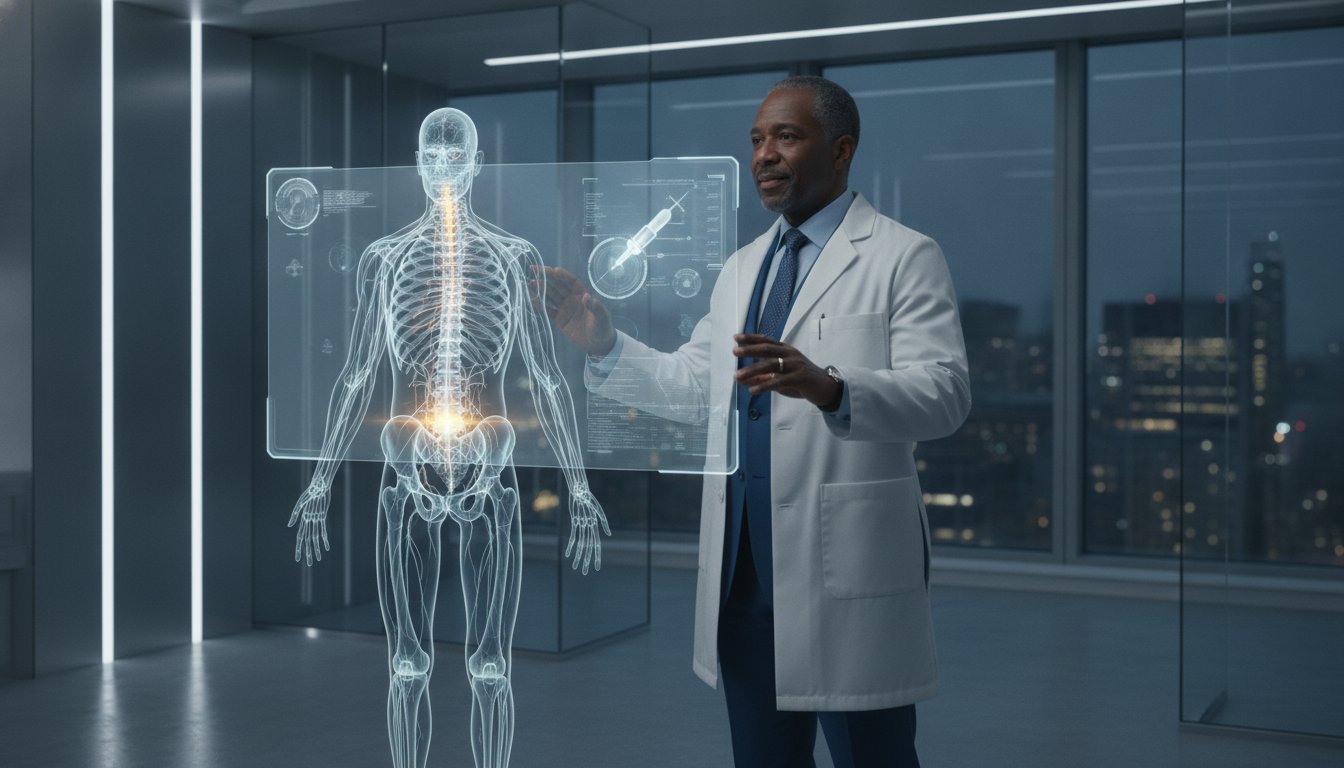
Achieving superior patient outcomes in 2026 requires a clinician who possesses board certification in both neurology and interventional pain medicine. This dual qualification represents the gold standard in modern clinical care. It allows the specialist to transition seamlessly from identifying the root cause of nerve degradation to executing precise, non-surgical interventional protocols that address pain at its source. By moving beyond a reliance on systemic pharmacological management, which often yields suboptimal results and significant side effects, these specialists utilize a more direct methodology to restore functional capacity.
The Role of the Board-Certified Neurologist
Establishing a definitive clinical baseline begins with a comprehensive overview of peripheral neuropathy and its underlying etiology. A board-certified neurologist meticulously evaluates whether the nerve damage is axonal, demyelinating, or a combination of both. This diagnostic phase is critical for determining if the condition is diabetic, toxic, or idiopathic in nature. By examining family history and specific lifestyle factors through a specialized lens, the neurologist can pinpoint the exact triggers of nerve decay, ensuring that the subsequent management plan is grounded in objective data rather than clinical guesswork.
Interventional Pain Medicine as a Sub-Specialty
Once the etiology is established, the role of interventional pain medicine becomes paramount. These sub-specialists utilize minimally invasive procedures, such as nerve blocks or advanced neuromodulation, to disrupt the aberrant pain signaling that characterizes chronic neuropathy. There's a profound synergy between diagnostic neurology and interventional execution; the former identifies the "where" and "why," while the latter provides the "how" for effective relief. This integrated model is particularly effective when addressing complex regional pain syndromes that may coexist with peripheral neuropathy, ensuring a holistic restoration of the patient's neurological health.
Diagnostic Precision: The Role of Clinical Neurophysiology
While clinical assessments provide an initial foundation, peripheral neuropathy specialists rely on the rigorous data provided by clinical neurophysiology to construct an accurate diagnostic profile. This objective approach is essential for differentiating between axonal damage, where the nerve fiber itself is compromised, and demyelinating processes that involve the degradation of the protective sheath. Without this precise distinction, clinicians risk applying generalized treatments that fail to address the specific neural pathology at play. By utilizing these advanced modalities, specialists can map the exact progression of nerve dysfunction, ensuring that interventions are timed to maximize the potential for neural recovery. This level of detail is particularly crucial when managing chronic conditions that have resisted standard medical interventions.
A critical advantage of this diagnostic depth is the ability to distinguish true peripheral nerve damage from referred pain caused by complex spine disorders. Many patients endure years of ineffective treatment because their symptoms were incorrectly attributed to localized neuropathy when the root cause was actually radiculopathy or spinal stenosis. To ensure you receive a diagnosis that accounts for these complexities, seeking a specialized neurology consultation is a vital step toward clinical clarity. By integrating neurophysiological data with clinical observations, specialists can prevent the misdiagnosis of symptoms that might otherwise lead to unnecessary or inappropriate procedures.
Electromyography (EMG) and Nerve Conduction Studies (NCS)
The technical execution of Electromyography (EMG) and Nerve Conduction Studies (NCS) involves the precise measurement of electrical impulses as they traverse muscle tissue and nerve pathways. During these procedures, specialists interpret specific metrics, such as latency and amplitude, to quantify the severity of nerve entrapment or systemic damage. It's important to recognize that the clinical utility of these tests depends heavily on the physician's expertise in needle placement and waveform interpretation; the equipment alone cannot synthesize a complex clinical picture. In the hands of elite peripheral neuropathy specialists, these studies become a dynamic tool for identifying the earliest stages of nerve decay, often before physical symptoms become debilitating.
Advanced Imaging and Autonomic Testing
In cases where structural compression is suspected, high-resolution MRI serves as a necessary adjunct to neurophysiology, particularly when identifying issues within the spinal column that mimic peripheral neuropathy symptoms and treatment pathways. In tandem with imaging, autonomic reflex screening allows for the evaluation of patients experiencing non-motor symptoms, such as thermal dysregulation or cardiovascular fluctuations. When these tests are integrated with comprehensive blood chemistry analysis to rule out metabolic triggers or vitamin-deficiency states, they form an exhaustive diagnostic framework. This methodical approach ensures that every potential cause of nerve dysfunction is scrutinized with academic rigor and clinical precision.
The Multidisciplinary Treatment Paradigm: Interventional and Regenerative Approaches
Elite peripheral neuropathy specialists recognize that relying solely on systemic pharmacological agents often results in a cycle of diminishing returns and escalating side effects. While traditional first-line treatments like gabapentinoids or SNRIs provide moderate relief for some, they rarely address the underlying neuro-inflammatory environment or the structural compromises driving the condition. A shift toward a multidisciplinary treatment paradigm is essential to achieve long-term functional restoration rather than mere symptom suppression. This advanced clinical model integrates interventional pain medicine with regenerative strategies to target the specific pathophysiology identified during the neurophysiological diagnostic phase, as highlighted in the comprehensive overview of peripheral neuropathy provided by the National Institute of Neurological Disorders and Stroke. By focusing on the biological mechanisms of nerve repair, clinicians can offer patients a path toward stability that bypasses the limitations of oral medications.
Functional recovery is the priority. Through the application of evidence-based methodologies, peripheral neuropathy specialists are increasingly pivoting toward device-based therapies and localized interventions that bypass the systemic burden of high-dose pharmaceuticals. This is particularly relevant in 2026, as clinical trends favor non-opioid alternatives and non-invasive magnetic pulse therapies, such as the FDA-cleared Axon Therapy, which offers a sophisticated option for managing painful neural pathways without the cognitive fog associated with traditional drugs.
Interventional Procedures for Chronic Nerve Pain
Interventional pain medicine provides a suite of minimally invasive procedures designed to disrupt aberrant pain signaling at the source. Specialized clinicians utilize targeted nerve blocks and epidural interventions to reduce localized inflammation, often providing the necessary window for physical rehabilitation to succeed. For patients who've failed conservative pharmacological therapy, neuromodulation techniques, including spinal cord stimulation, represent a high-tier option for managing refractory symptoms. Additionally, when diagnostic imaging reveals that symptoms are exacerbated by spine disorders, specialists employ minimally invasive decompression strategies to alleviate mechanical pressure on the nerve roots, thereby preventing further axonal degradation.
Regenerative Medicine in Neurological Contexts
The scientific basis for regenerative medicine in a neurological context centers on supporting the body’s innate healing response within damaged tissues. By utilizing advanced clinical protocols, specialists aim to address the degenerative changes in joints and peripheral nerves that contribute to chronic dysfunction. Patient selection is a rigorous process; it's not a universal solution but a targeted intervention for those whose clinical profile suggests a high potential for neural support. These regenerative neurological interventions are often combined with metabolic optimization—supported by clinical resources such as Dr. Harris Medical Weight Loss—to ensure the neural environment is conducive to repair, representing the pinnacle of personalized, evidence-based care in 2026.
Criteria for Seeking a Specialized Second Opinion
Seeking a specialized second opinion is often a clinical necessity rather than a mere preference, particularly when initial therapeutic interventions fail to arrest the progressive nature of nerve degradation. For many patients, the realization that their current management plan is insufficient comes after months of escalating dosages that provide only marginal relief without addressing the underlying pathology. It's at this juncture that the expertise of elite peripheral neuropathy specialists becomes invaluable, as they provide a fresh clinical eye capable of synthesizing complex, multi-factorial data that may have been overlooked in a general practice setting. By re-evaluating the diagnostic markers and neurophysiological reports with a higher degree of academic rigor, these specialists can often uncover the subtle nuances of neural pathology that dictate a fundamental change in treatment strategy. Clinical certainty is paramount.
With a focus on global excellence, many patients now utilize tele-medicine consultations to bridge the gap between local clinical limitations and international neurological expertise. This modern approach ensures that geographical boundaries don't prevent access to the highest tiers of professional validation and evidence-based care. When symptoms persist despite adherence to standard protocols, a specialized review can identify previously unrecognized indicators, such as specific metabolic triggers or subtle autonomic dysfunctions, that are critical for achieving long-term stability.
When Initial Management Becomes Insufficient
Recognizing the limitations of general pain management is a critical step for patients experiencing unresolved chronic nerve pain. While general practitioners may focus on broad symptom suppression, a specialized neurology consultation delves into the specific pathophysiology of the nerve damage to determine why a particular pathway has failed. If your diagnostic journey lacks objective neurophysiological data or if your mobility continues to decline, your current clinical baseline is likely incomplete. Addressing the psychological impact of this uncertainty is just as vital as the physical treatment; a definitive, expert-led diagnosis provides the reassurance needed to move forward with a targeted plan of action.
The Process of a Comprehensive Second Opinion
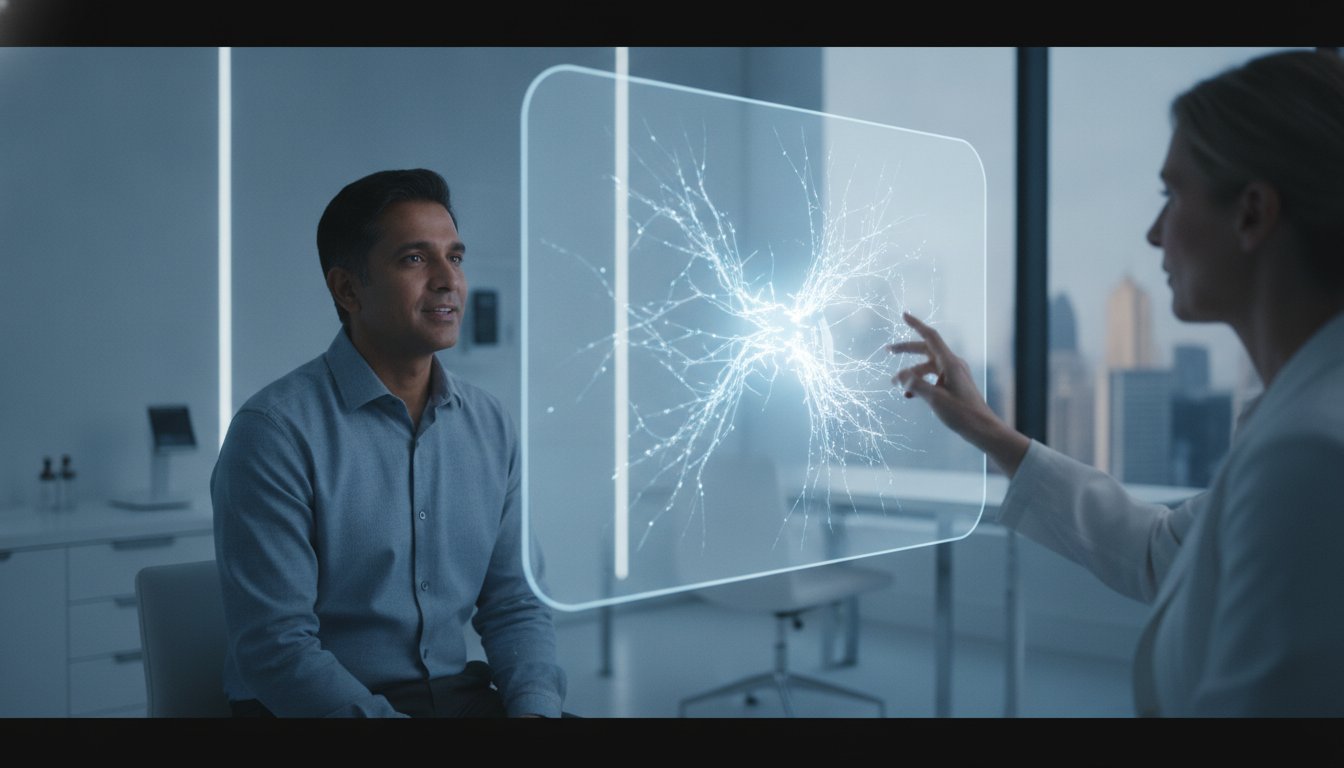
The process of obtaining a comprehensive second opinion requires a methodical review of your entire clinical history, including previous electromyography results and any advanced imaging already performed. During this consultation, the specialist serves as a high-level consultant, re-interpreting existing data and proposing alternative, evidence-based pathways that may include interventional or regenerative therapies. For those seeking this level of elite neurological guidance without the constraints of travel, you can request a second opinion to initiate a thorough review of your case. This roadmap ensures that your management plan is grounded in the latest clinical innovations and global medical standards, providing a clear path toward functional restoration.
The Hammad Methodology: Integrating Global Expertise in Neuropathy
Rooted in over 21 years of dedicated clinical practice, the Hammad Methodology represents a sophisticated synthesis of board-certified neurology and interventional pain medicine. This approach isn't merely a collection of treatments but a rigorous clinical framework designed to address the most complex neural pathologies through a lens of academic rigor and international experience. By leveraging a lifetime of global practice and high-level certification, Dr. Hammad provides the authoritative guidance required by patients who've found standard medical care insufficient for their needs. This methodology prioritizes a meticulous understanding of the patient's condition, ensuring that every intervention is grounded in professional excellence and a commitment to the highest tiers of medical validation.
Central to this elite model is the integration of state-of-the-art outpatient facilities with advanced clinical neurophysiology testing. This synergy ensures that every diagnostic conclusion is backed by objective, high-fidelity data, allowing peripheral neuropathy specialists to construct management plans with surgical precision. By serving as a bridge between traditional neurological protocols and modern regenerative medicine, the methodology offers a pathway to recovery that remains firmly rooted in evidence-based science. It's a methodical, top-down approach that builds a comprehensive case for neural restoration, moving beyond temporary symptom relief toward a permanent improvement in functional capacity.
A Patient-Centered, Specialist-Led Approach
Within this specialist-led model, every neurology consultation is treated as a scholarly evaluation of the patient's unique physiological profile. These personalized treatment plans are designed to prioritize non-surgical, interventional outcomes, effectively reducing the reliance on systemic medications that often carry a heavy burden of side effects. For those residing outside the immediate clinical reach, global access to this elite level of care is facilitated through specialized medical consultations and tele-medicine platforms. This ensures that professional depth and clinical excellence are never limited by geography, providing a clear roadmap for patients seeking definitive answers and long-term stability.
Advancing the Standard of Neurological Care
The Hammad Center remains at the forefront of the field by focusing on the intricate relationship between complex spine and joint disorders and their direct impact on peripheral nerve health. By adhering to the most stringent professional validations and employing evidence-based methodologies, the practice continues to redefine the standard of care for those suffering from chronic, debilitating neuropathy. Every patient deserves a diagnosis that accounts for the multi-factorial nature of their pain. To begin your journey toward clinical clarity and functional restoration, you may schedule a comprehensive neurology consultation with Dr. Mustafa Hammad today.
Reclaiming Neurological Health Through Specialized Expertise
The path to managing complex nerve dysfunction requires a departure from generalized medical care toward the precision offered by elite peripheral neuropathy specialists. By integrating advanced clinical neurophysiology with interventional regenerative techniques, patients can finally move beyond the limitations of systemic medication to address the specific pathophysiology of their condition. This multidisciplinary approach ensures that diagnostic data isn't just collected but is actively utilized to construct a roadmap for functional restoration. Whether you're navigating a new diagnosis or seeking a sophisticated second opinion, the synergy of neurology and pain medicine provides the necessary framework for long-term stability.
Dr. Mustafa Hammad, who serves as the President of The American Medical Institute and brings over 21 years of elite clinical experience, provides a level of authoritative guidance that's unmatched in the field. As a specialist board-certified in both Neurology and Interventional Pain Medicine, he offers the scholarly evaluation and meticulous care required to arrest the progression of nerve damage; you can Request a Specialized Neurology Consultation with Dr. Mustafa Hammad to establish your personalized roadmap for recovery. Reclaiming your mobility and comfort is a clinical possibility when your care is guided by global expertise and a commitment to medical excellence.
Frequently Asked Questions
What is the difference between a neurologist and a peripheral neuropathy specialist?
A peripheral neuropathy specialist is typically a board-certified neurologist who has attained advanced sub-specialization in the intricate pathophysiology of the peripheral nervous system and interventional pain medicine. While a general neurologist manages a broad spectrum of neurological conditions, peripheral neuropathy specialists focus their academic and clinical rigor on the precise mechanisms of nerve degradation and the implementation of targeted interventional protocols. This specialized focus ensures that patients with complex, refractory symptoms receive a level of diagnostic depth that extends beyond standard clinical assessments.
When should I seek a second opinion for my nerve pain?
Seeking a second opinion is medically indicated when your current therapeutic regimen fails to arrest the progression of neural degradation or when your diagnosis remains idiopathic despite extensive testing. If you continue to experience chronic burning sensations or loss of mobility while on standard gabapentinoid therapy, a fresh clinical eye is essential to uncover overlooked diagnostic markers. An expert consultation can provide the clinical certainty required to transition from basic symptom suppression toward a more sophisticated, evidence-based management paradigm.
Are there non-surgical treatments for neuropathy caused by spine disorders?
Non-surgical interventions for neuropathy associated with spine disorders include targeted epidural interventions, selective nerve blocks, and minimally invasive decompression strategies designed to alleviate mechanical pressure on nerve roots. These interventional procedures effectively reduce localized inflammation and disrupt aberrant pain signaling without the recovery burden of open neurosurgery. By addressing the structural triggers of radiculopathy, these techniques allow for significant functional restoration and are often integrated into a personalized, long-term management plan for complex cases.
How does clinical neurophysiology testing improve diagnostic accuracy?
Clinical neurophysiology testing, specifically electromyography and nerve conduction studies, improves diagnostic accuracy by providing objective, high-fidelity data regarding the electrical integrity of the peripheral nerves. These studies allow peripheral neuropathy specialists to differentiate between axonal and demyelinating damage, which is critical for determining the most effective therapeutic pathway. This data-driven approach prevents the misdiagnosis of symptoms that might otherwise be incorrectly attributed to localized nerve damage rather than complex spine disorders.
Can regenerative medicine help with peripheral neuropathy symptoms?
Regenerative medicine serves as a supportive adjunct in a neurological context by addressing the underlying tissue degradation and joint disorders that often exacerbate peripheral nerve dysfunction. By utilizing evidence-based methodologies to support the body's innate healing response, these therapies aim to stabilize the neural environment and improve the metabolic conditions necessary for nerve health. For those whose neuropathy is complicated by mechanical foot issues, you may check out Frankel Foot & Ankle Center for specialized foot and ankle expertise. Regenerative approaches are then meticulously integrated into personalized plans for patients whose clinical profile suggests a high potential for non-surgical recovery and functional improvement.
What should I expect during a specialized neurology consultation?
During a specialized neurology consultation, you should expect a meticulous and scholarly evaluation of your entire clinical history, including a thorough review of all previous diagnostic reports and neurophysiology studies. The specialist will conduct a comprehensive neurological examination to establish a precise clinical baseline, focusing on sensory, motor, and autonomic functions. This process culminates in the development of a definitive diagnosis and a personalized roadmap that prioritizes interventional and regenerative outcomes over systemic pharmacological management.
Is tele-medicine effective for diagnosing peripheral neuropathy?
Tele-medicine consultations are an effective modality for the high-level review of complex clinical histories and the re-interpretation of existing diagnostic data by elite specialists. While certain neurophysiological tests must be performed in a clinical setting, remote consultations provide global access to authoritative second opinions and the strategic development of management plans. This approach ensures that patients can benefit from distinguished expertise and academic rigor regardless of their geographical proximity to a specialized outpatient center.
How do interventional pain specialists treat nerve damage without surgery?
Interventional pain specialists utilize minimally invasive techniques such as neuromodulation and targeted nerve blocks to disrupt the transmission of pain signals at the source. These techniques are designed to provide localized relief by addressing the specific neural pathways identified during the diagnostic phase, effectively bypassing the cognitive side effects of oral medications. By focusing on non-surgical interventional outcomes, these specialists can restore functional capacity and improve the quality of life for patients with chronic, hard-to-treat neuropathic pain.